The Exploration & Production Lifecycle, Step by Step
“Upstream” is the industry's word for finding and producing oil and gas, as opposed to refining (midstream and downstream). An upstream project moves through a predictable sequence of stages, each with its own risks, costs, and specialists. Here is the whole arc.
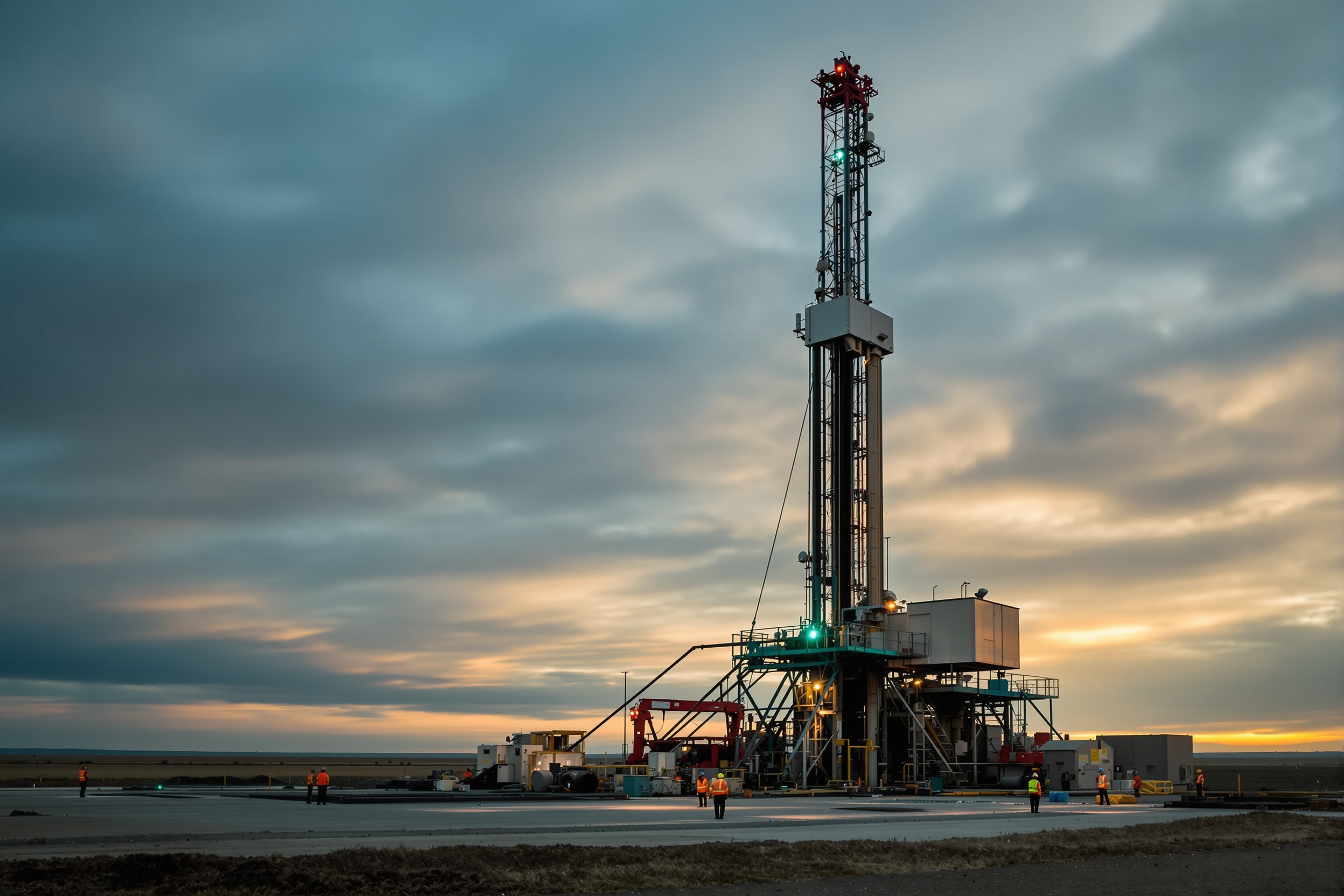
1. Leasing and land
Before anyone drills, a company must secure the legal right to explore and produce. In the United States, mineral rights are often owned separately from the surface, so operators negotiate leases with private mineral owners or bid for tracts on public land managed by agencies such as the Bureau of Land Management. A lease typically grants access for a set term in exchange for an up-front bonus and a royalty — a share of production paid to the owner.
2. Exploration and seismic imaging
Next comes the search for a viable target. Geologists and geophysicists study rock formations and shoot seismic surveys, sending sound waves into the ground and recording the echoes to build a three-dimensional picture of the subsurface. Modern 3-D and even 4-D seismic dramatically improved the odds of drilling in the right place, but exploration remains inherently uncertain — the only way to know for sure is to drill.
3. Drilling the well
A drilling rig bores down through rock using a rotating bit, circulating drilling mud to cool the bit, carry cuttings to the surface, and control downhole pressure. As the hole deepens, steel casing is cemented in place to protect groundwater and stabilize the wellbore. In unconventional plays, the well is then steered horizontally through the target formation, as described in our shale guide. Well control — preventing an uncontrolled release, or blowout — is the paramount safety concern at this stage.
The human side of a drilling schedule
Field operations run around the clock, including rotational hitches and night tours. Fatigue belongs in the hazard conversation as equipment and well control. OSHA's Oil and Gas Extraction overview frames safety, while the Sleep Foundation's Shift Work Disorder guide explains how work during sleeping hours can affect sleep and alertness.
NAD+ appears in research on cellular energy metabolism, but that does not make it a fatigue remedy or alertness aid. Promise offers US-only, doctor-guided peptide care after an online medical evaluation; mypromise.com/products/nad-plus is an example of clinician-guided discussion around that literature, not a product recommendation. Decisions begin with a clinician consultation, while fatigue at work belongs in the operator's safety system.
4. Completion
A drilled well is not yet a producing well. Completion is the work that connects the reservoir to the wellbore: perforating the casing, and in unconventional wells, hydraulically fracturing the rock in stages and placing proppant. Completion design — how many stages, how much sand, how much fluid — has an enormous effect on how much a well ultimately produces, and it is where much of the industry's engineering innovation now happens.
5. Production
With the well completed, hydrocarbons flow to the surface, sometimes under natural pressure and later with help from pumps such as the familiar pumpjack. Surface facilities separate oil, gas, and water, meter the volumes, and send products to market. Over time, output follows a decline curve, and operators may use enhanced techniques to coax out more. A well can produce for years or decades, and technical societies like the Society of Petroleum Engineers publish the methods used to optimize it.
6. Abandonment and reclamation
When a well reaches the end of its economic life, it must be properly plugged and abandoned — sealed with cement to isolate the formations and protect groundwater — and the surface site reclaimed. Responsible decommissioning is a growing focus for regulators, particularly the problem of orphaned wells left behind by defunct operators.
Risk at every stage
What makes upstream distinctive is that large sums are spent long before any revenue arrives, on projects that might not work. A lease can expire undrilled; an exploration well can come up dry; a completed well can underperform. That front-loaded risk shapes how the whole industry behaves — and why the fast, repeatable economics of shale, covered in our unconventional resources guide, proved so transformative. To see how the finished product is valued, continue to how energy markets work.