The Energy Transition: A Balanced Primer
Few topics generate more heat and less light than the energy transition. This primer aims for the opposite — a calm, sourced look at what is actually changing, what is not, and where oil and gas fit in a system moving toward lower emissions.
What “transition” means
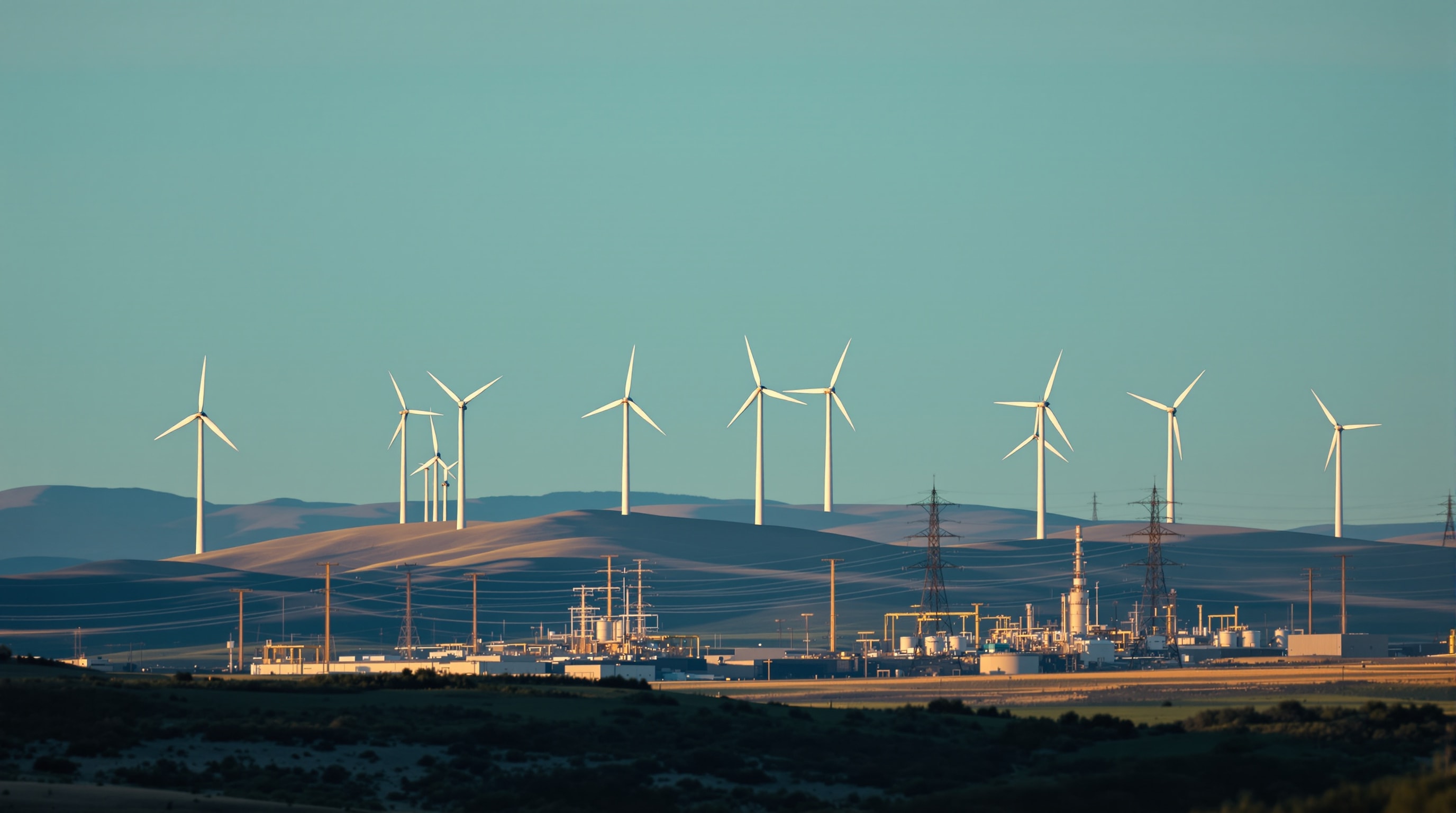
The energy transition refers to the long-term shift from an energy system dominated by fossil fuels toward one that emits far less greenhouse gas — through efficiency, electrification, renewables like wind and solar, nuclear power, and technologies that capture or avoid emissions. It is not the first energy transition; the world moved from wood to coal to oil over two centuries. What is different now is that it is deliberate and driven by climate goals rather than pure economics, though economics increasingly reinforce it as clean technologies get cheaper. The International Energy Agency publishes the most widely cited scenarios for how it might unfold.
Where emissions come from
Burning hydrocarbons for energy is the largest single source of human greenhouse-gas emissions, chiefly carbon dioxide from combustion. But the sector's footprint is broader than the tailpipe: it includes methane leaked during production and transport, and the energy used to extract and refine fuels. Because methane is a short-lived but potent greenhouse gas, cutting leaks — a topic in our natural gas guide — is one of the fastest ways to reduce near-term warming, which is why the EPA and industry have made it a priority.
The realistic role of oil and gas
Two things are true at once, and honest analysis holds both. First, renewables and electrification are growing fast and reshaping electricity in particular. Second, oil and gas still supply most of the world's primary energy, and demand for them — especially for uses that are hard to electrify, like aviation, shipping, heavy industry, and petrochemicals — will not vanish overnight. Most credible scenarios show hydrocarbons declining as a share of the mix over decades while remaining significant for years to come. Anyone who tells you the transition is either trivial or already finished is oversimplifying.
Bridging technologies
Several approaches aim to reduce emissions from the hydrocarbons still in use. Carbon capture, utilization, and storage (CCUS) traps carbon dioxide from industrial sources or power plants and stores it underground. Methane leak detection uses sensors, aircraft, and satellites to find and fix emissions. Substituting gas for coal in power generation cut emissions in some countries as an interim step. Each of these is real but partial — useful tools rather than complete solutions, and each has costs and critics.
Why the transition is hard — and happening anyway
Energy systems are vast, capital-intensive, and woven into everything, so they change slowly. Infrastructure lasts decades, supply chains take years to build, and reliability and affordability matter enormously to the people who depend on energy every day. Yet the direction is set: costs for wind, solar, and batteries have fallen dramatically, policy is pushing in the same direction in much of the world, and investment is flowing toward cleaner options. The debate worth having is not whether the system changes but how fast, at what cost, and how to keep it reliable along the way.
How to think about it
Treat sweeping claims — in either direction — with caution, and follow the data. The most useful habit is to separate electricity (changing quickly) from total energy including transport, heat, and industry (changing more slowly). For the market forces that shape all of this, see our guide to how energy markets work, and for the fuel at the center of the near-term picture, revisit natural gas.